
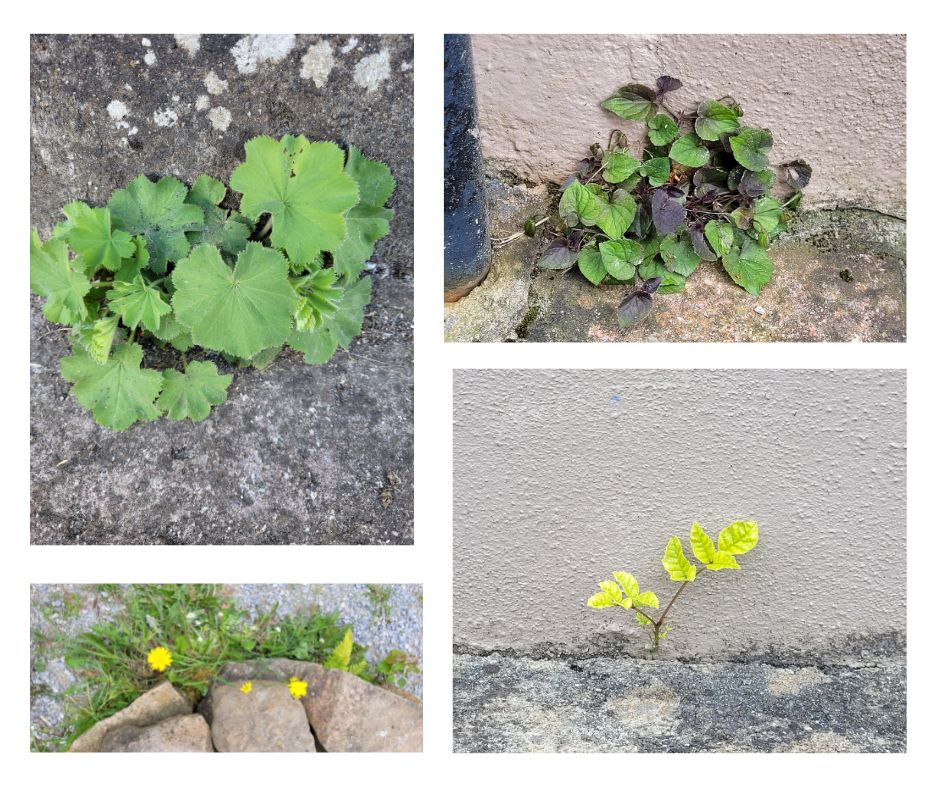
A weed is only a weed because that’s what we decide to brand it. By definition, a weed is any plant that is growing where it is unwanted. We humans tend to look at weeds as the trespassers of our garden parties and invaders of our neatly manicured lawns. We pick, pull and spray anything that dares to grow between the cracks of our pavements or our concrete driveways – how dare they have the strength and grit to grow where no other plants dare to grow!
But does this have to be so? Is it possible we have weeds all wrong? Are we wasting precious time and energy loathing these plants which, on second thought have so much to offer?
Don’t get me wrong – some plants are your stereotypical gatecrashers; they show up uninvited and make a mess of the place. Some weeds are noxious, infiltrating garden beds, parks and natural landscapes (think lantana, bindii and African boxthorn); wreaking havoc, and causing a coup of the available space and nutrients.
However, I believe some weeds need to be reconsidered as our allies, not as our enemies because they have a lot to give us in the way of medicine, food – for us and for wildlife, aesthetics and much more. So, even if you don’t appreciate them in your garden and choose to remove them, you can appreciate them on your plate and in your home.
Here’s a list of three weeds worth reconsidering as friend rather than foe:
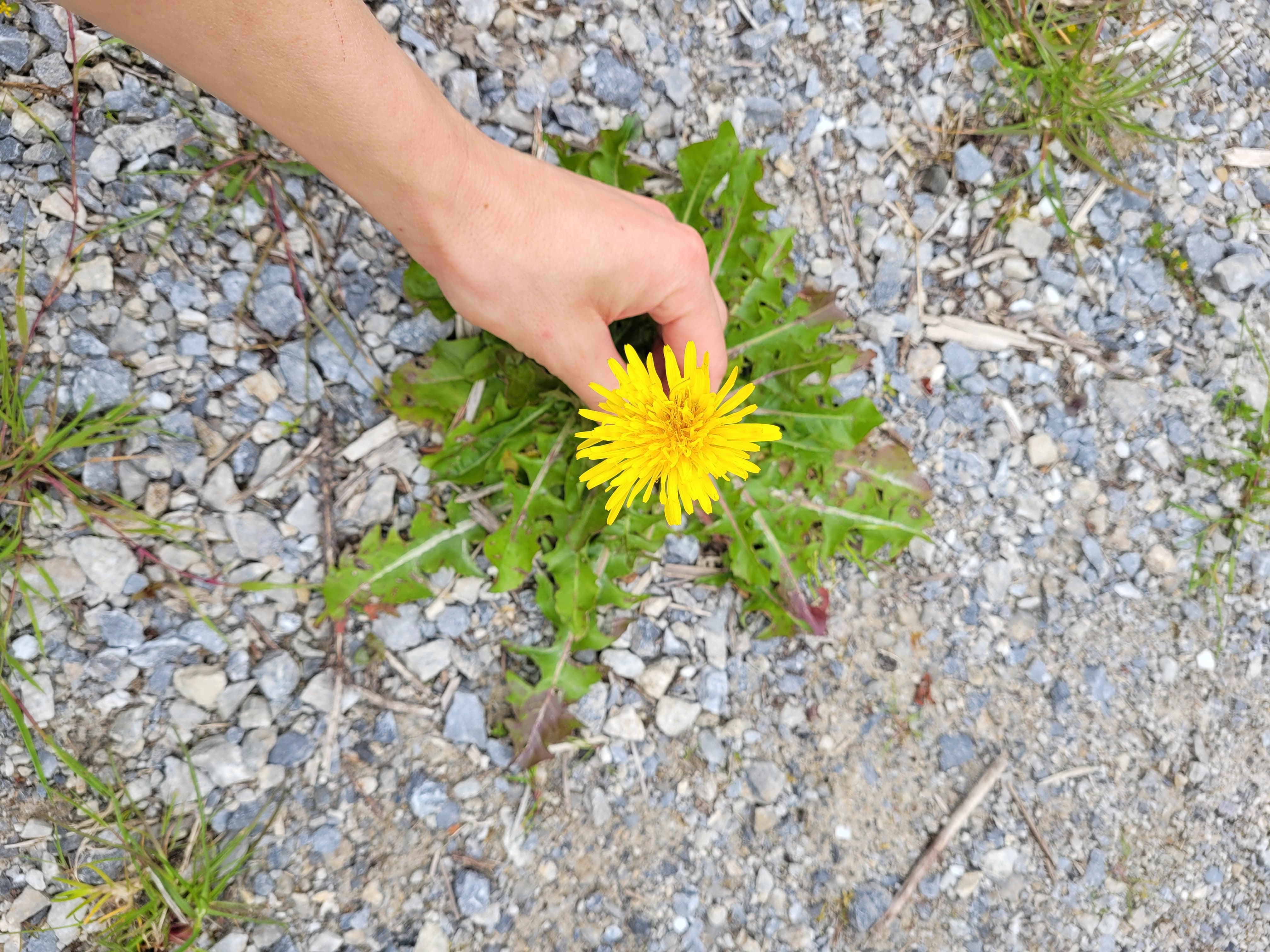
Dandelion
Ahhh the humble yet somewhat loathed dandelion. This one is one of my favourites. Perhaps it’s because in French, dent-de-lion translates to ‘lion’s tooth’. Being a tenacious Leo, I see a lot of myself in this stubborn plant. This hardy perennial grows everywhere, from the cracks of concrete to the centre of our garden lawn, across the globe. Dandelions are important food for declining bee populations and offer ourselves food and medicinal benefits including:
- Aids digestion
- Acts as a diuretic
- Antioxidant
- Anti-inflammatory
- Nutrient dense including potassium, vitamins, A, B, C and D
- The flower can be used as pain relief
- Helps liver, gallbladder, urinary and digestive function
Dandelions have a myriad of uses including:
- Salad leaves
- Boil young leaves for tea
- Roast the roots for a caffeine-free coffee beverage
- Boil the root as a vegetable
- Eat the flower for headache relief or use as decoration on a cake
- Tinctures
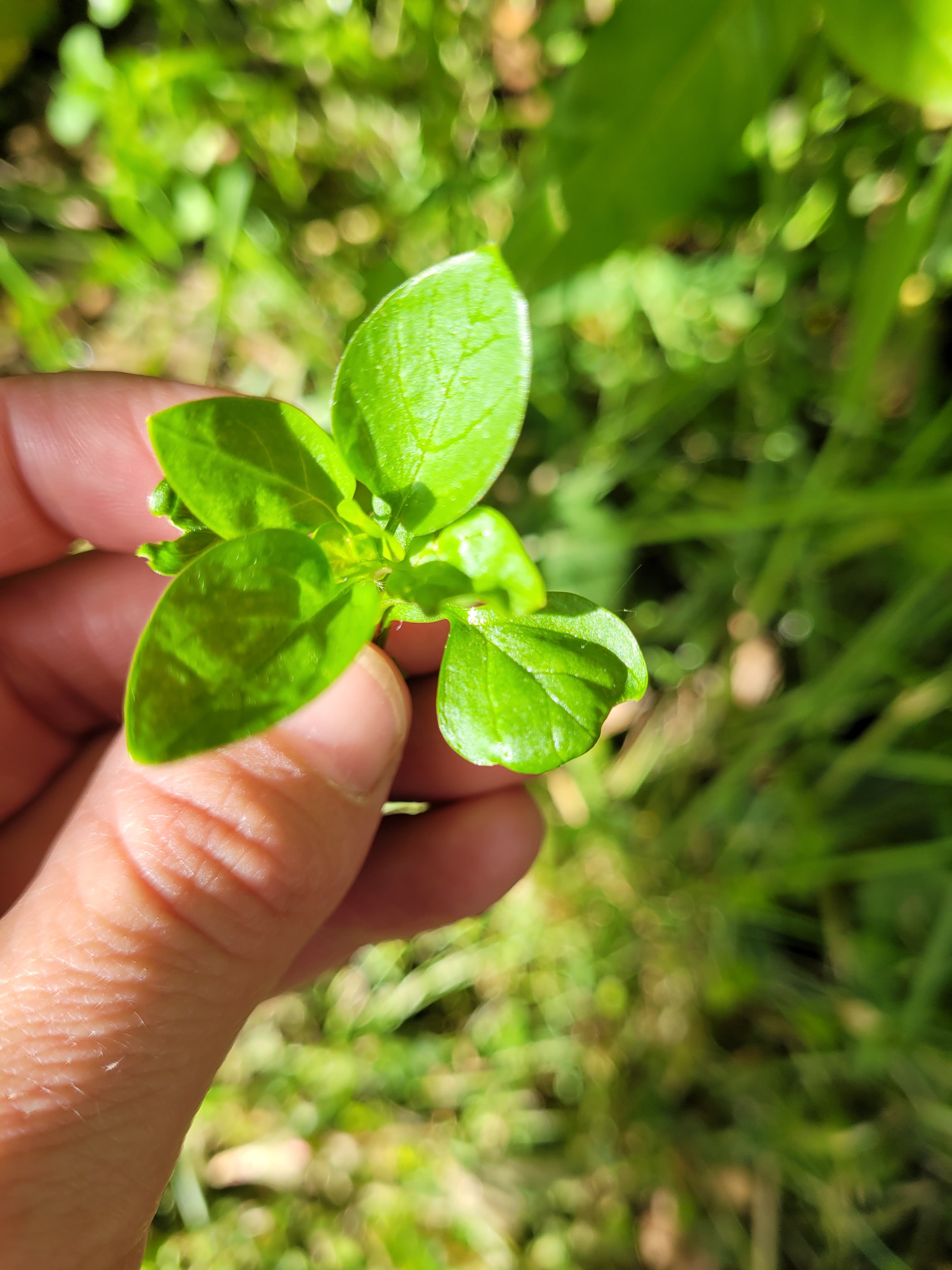
Chickweed**
Got itchy skin? Chickweed’s soothing properties make it is an excellent remedy for skin inflammation and rashes. It’s also known as the most tender and palatable of the wild greens, with other benefits including:
- Food for wildlife including bees
- Wound healing
Chickweed uses:
- Broth
- Tea
- Salad greens
- Externally as a poultice for itches, bites, stings, burns, swelling, bruises, splinters, and sore eyes
- You might like to try a chickweed and oat bath
- Turn it into a vinegar, tincture, or salve
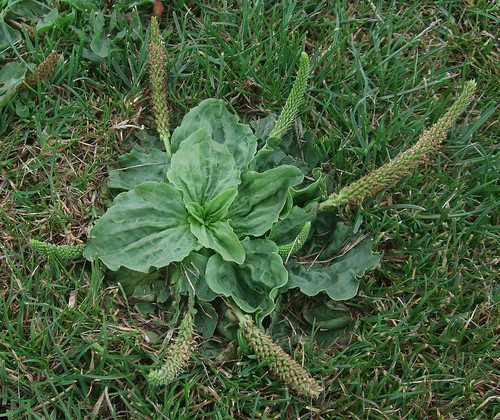
Plantain/Lambs Tongue
Plain old plantain is anything but – in pre-Christian times it was revered as a magical herb, labelled as sacred by the Anglo-Saxons. Its benefits are abundant, boasting the following properties:
- Food for wildlife
- Antimicrobial
- Soothes mucous membranes and helps to dislodge mucous from the body
- Acts as a diuretic
- Anti-inflammatory
- Nutrient dense
- Wound healing
Plantain uses:
- Tea
- A poultice on Insect and spider bites or for drawing out splinters
- Chopped up in finely and used in cooking
- As a succus for coughs and ulcers
So, before you whip out the Roundup this spring, I implore you to look at your garden through a different lens, allowing it to flourish with natural food and medicine.
DISCLOSURE: This article is intended for general information only and NOT intended to act as medical advice. Be vigilant when foraging for plants to ensure you know if they have been sprayed with chemicals and that you properly identify the species as some benign plants have poisonous look-alikes**.
*I do not endorse the use of Roundup. In fact, it is my belief Roundup is the real weed of our gardening pursuits.
**Chickweed’s poisonous look-alikes are scarlet pimpernel and spurge – ensure you know how to identify it correctly.
Bibliography
- Bruton-Seal, J and Seal, M, Hedgerow Medicine: Harvest and Make Your Own Medicine, Great Britain, Merlin Unwin Books, 2018
- De la Foret, R and Han, E, Wild Remedies, United States of America, 2020
 minimalsam.com
Leave a comment